
Market Minute: Stocks keep rising as rates move higher, private credit risks and the upcoming Firmus IPO
Morningstar’s Michael Malseed on how investors should position their portfolios today.
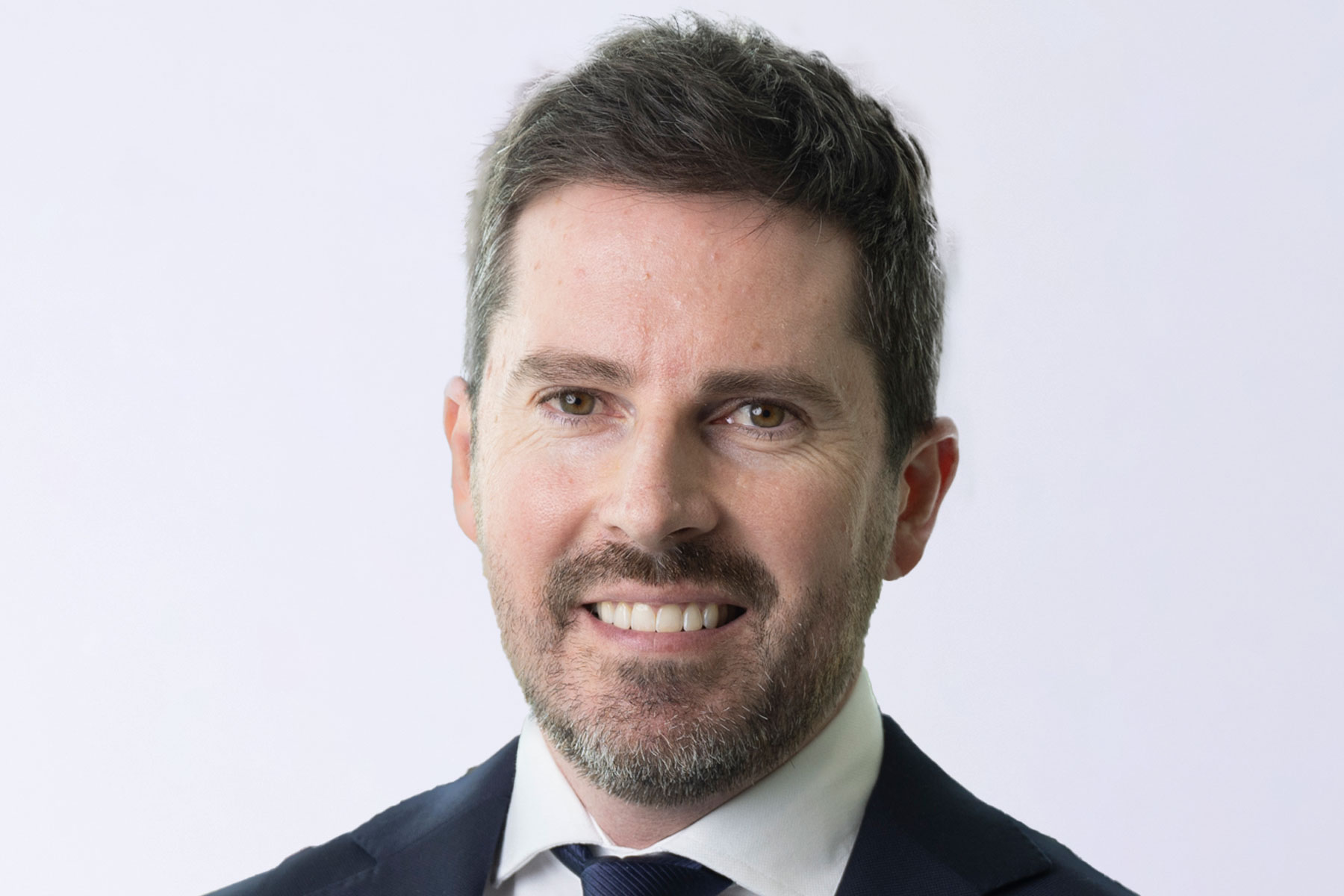
Mark LaMonica: Mark LaMonica: Welcome to another edition of Market Minute. I’m joined by Michael here to talk through all that’s happening in markets. A lot happening in the fixed interest market. So why don’t we start with two of the drivers. So central bank policy and inflation. So we did
Michael Malseed: So we had the RBA increase the cash rate in Australia last week by 25 basis points bringing it to 4.6%. So that’s obviously going to put pressure on household budgets with higher interest repayments, which is aimed at slowing the economy and cooling inflation during the week. We also had the CPI print come out for Australia for August.
The year on year number was up 4%, which is a pretty high number. The RBA does look at the underlying inflation number, which is more modest, but I think the headline number, including fuel prices, shows that that impact of what’s happening in the Middle East and, and the pressure on all prices is filtering through the economy. Certainly, transport costs were up about 14% year on year in that number.
And the risk is that then trickling down into other segments of the economy through, you know, the shipment of goods and the cost of materials becoming more embedded in underlying inflation numbers? So I know the the RBA is going to be looking closely at that and really wanting to get on top of on top of these inflation expectations going forward.
Mark: And then let’s talk about, I guess, the wider fixed interest market. So we are still seeing yields going up. Is it getting to a point where this is potentially attractive for investors. Or is there still too much going on in terms of what’s going to happen with inflation going forward and central bank policy?
Michael: A lot looks to be priced into the long end of the yield curve. So if you look at the US ten year yields that hit about 5.3% last week which is you know a multi multi-decade really high. And so a lot is priced into that. And it’s probably starting to look quite attractive from an asset class point of view, particularly relative to equities which are trading at very high valuations.
So what that points to is within a multi-asset balanced portfolio, bonds can certainly play a role in generating quite a reasonable return at this stage when when equities have quite high valuations.
Mark: So one place a lot of investors have been turning over the last several years is to private credit. They’ve offered very attractive yields. But there has been some concerns recently around credit quality in those portfolios. And we did see, I guess, a bit of a dispute going on between auditors around those asset valuations. So maybe fill investors in on what’s happening.
Michael: In the headlines in the last week the big story has been metrics. And there was a delay to the release of their financial statements due to a dispute with their auditor on valuations. So that was resolved at the end of last week, which resulted in write downs of around 170 million to the carrying value of the assets.
Now, that’s probably around 4 or 5% of their total book. So it wasn’t wasn’t sort of a huge number. But it goes to show that there’s probably increased scrutiny on on valuations and maybe a little bit of increased concern at the underlying conditions in the market not being as supportive for some of the, you know, the underlying investments in the market.
Now, metrics did have to pause liquidity during that period, but that’s coming back online now with the financial statements released, certainly private credits, an area where you want to understand the underlying investments and the risks and make sure you’re being compensated for for not only the lack of liquidity, but also the underlying operating conditions with to what they’re lending to.
Mark: So a lot of the news that we’ve heard, of course, out of the US is around these big IPOs related to AI. So with anthropic scheduled for later this year and then potentially ChatGPT the year after in Australia, we have our own IPO coming up. So with firmus, can you share any thoughts on that.
Michael: This is going to be a very large IPO in the context of the Australian market looking to raise about $7 billion. They’re doing the rounds currently looking come on on the market. In a couple of weeks. It will value the total business at around $43 billion on those numbers. So this is really from a standing start.
It’s very early stage startup business building data centers. They’ve got the contracts in place which is underpinning the forecast forecasted revenue and earnings. But they really need to deliver on that. And they’re also going to be carrying quite a lot of debt to carry out the builds. So there’s a lot of question marks about how to value a business like that.
And it’s going to be a real test of the market’s appetite for an IPO of this size.
Mark: Let’s talk about the overall environment and I guess how investors should be thinking about it. So we’ve got yields going higher. That’s obviously bringing bond prices down. At the same time the equity market keeps going up. And as you said valuations continue to get more and more stretched. How should investor think about their overall portfolio right now.
Michael: We would suggest to investors to stay diversified. And that would be diversification across asset classes as well as within asset classes. So we think that at the at the moment, volatility is likely to be a feature of the market given where valuations are. And you really want to have a resilient portfolio that when volatility arises, you can use that as an opportunity to rebalance into and have a portfolio that’s going to have resilience through opportunity through volatility.
